How to Choose a Wedding Cake Baker: The Complete Couple's Guide
Learn how to choose a wedding cake baker with confidence. From portfolio reviews to tastings and red flags, this guide covers everything you need to know.
Olivia Bennett
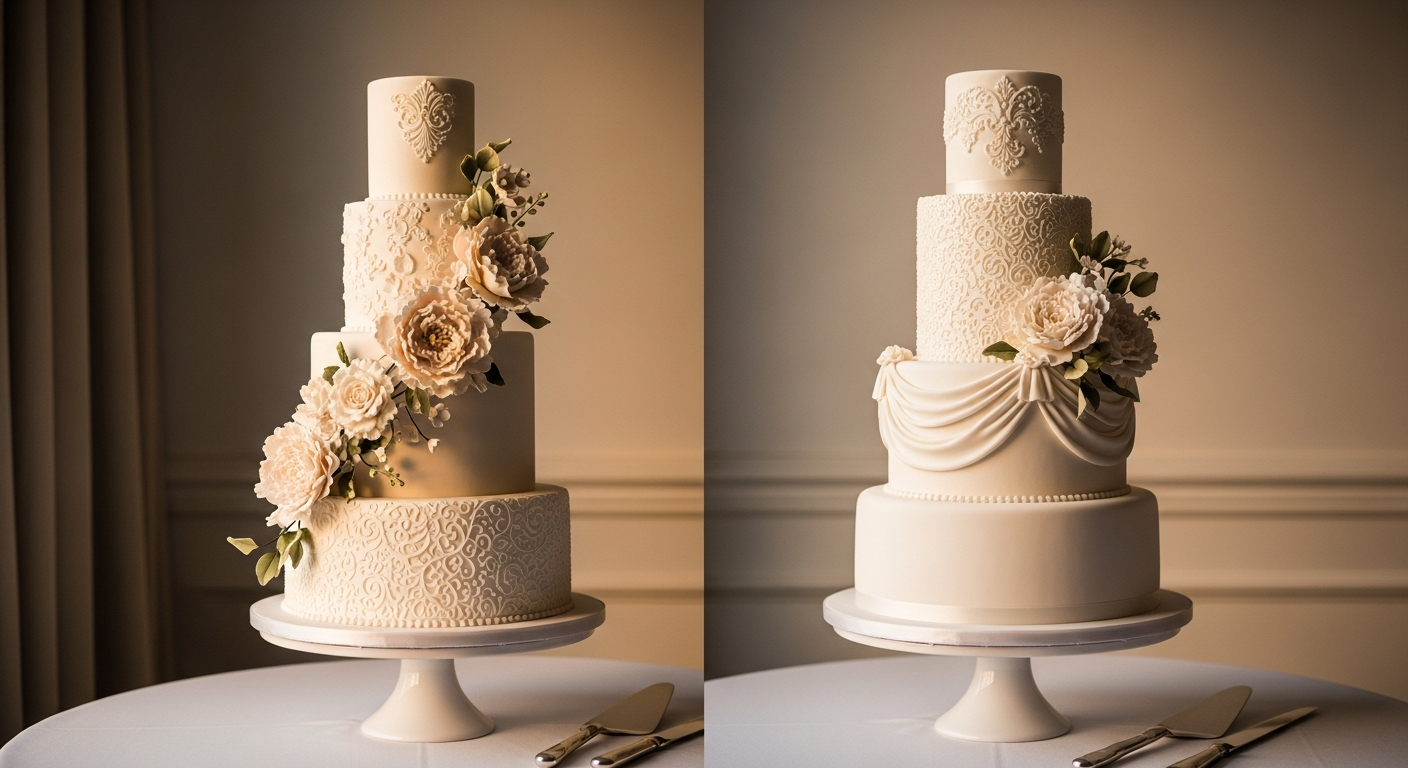
Your wedding cake is more than a dessert — it's a centerpiece, a memory, and a reflection of your love story. But with so many talented bakers out there, knowing how to choose a wedding cake baker can feel overwhelming. Whether you're dreaming of a towering fondant masterpiece or a relaxed naked cake draped in fresh flowers, the right baker will bring your vision to life — and make the journey enjoyable. Here's exactly what to look for.
Start With the Portfolio: What to Look For
A baker's portfolio is your first window into their skill level and aesthetic range. When browsing photos — whether on Instagram, a website, or a directory like WeddingCakeHub — look beyond the prettiest pictures and ask yourself some practical questions.
Consistency matters more than highlights. A single showstopper cake could be a one-time collaboration with a florist or photographer. What you want to see is consistent quality across dozens of cakes — clean lines, smooth finishes, and structurally sound tiers.
Look for range. Can this baker execute both rustic buttercream and polished fondant? Do they work in your preferred style, or does every cake look the same? If you want hand-painted watercolor details, confirm you see examples of that specific technique.
Check for scale. A baker who primarily creates intimate two-tier cakes may struggle with a five-tier wedding centerpiece. Make sure their portfolio reflects experience with cakes similar in size and complexity to what you're envisioning.
Questions to Ask During Your Consultation
The tasting consultation is your interview as much as theirs. Come prepared with these key questions:
- How many weddings do you take per weekend? A baker who books only one or two events per weekend is more likely to give your cake dedicated attention than one juggling ten orders.
- Do you handle delivery and setup personally, or do you subcontract? This affects accountability on the day.
- What's your backup plan if you're ill or face an emergency? Any professional baker should have a contingency plan.
- Have you worked at my venue before? Familiarity with a venue's kitchen access, elevator situation, or outdoor conditions can prevent disaster.
- What does your pricing include? Clarify whether delivery, setup, a cutting fee waiver, and a tasting are bundled or billed separately.
Knowing how to choose a wedding cake baker also means knowing when a consultation feels off — and trusting that instinct.
Red Flags to Watch Out For
Not every baker who takes beautiful photos is the right fit. Watch for these warning signs:
- No written contract. A reputable baker will always provide a detailed contract outlining flavors, design, delivery time, and payment schedule. Walk away from any arrangement that's purely verbal.
- Vague pricing. Pricing that changes dramatically between your initial inquiry and formal quote — without explanation — signals poor business practices.
- Dismissiveness about your vision. A good baker listens first. If they immediately redirect you toward what they prefer rather than what you want, that creative dynamic won't improve.
- No online presence or verifiable reviews. In today's market, established bakers have reviews, portfolios, and a traceable reputation. Platforms like WeddingCakeHub make it easy to read verified reviews from real couples.
- Unusually low pricing. High-quality wedding cakes require expensive ingredients, skilled labor, and significant time. A quote far below market rate often means corners will be cut.
How to Evaluate a Tasting
Most bakers offer tastings either as standalone sessions or by appointment. Here's how to make the most of them:
Taste with intention. It's easy to get swept up in the excitement of eating cake, but focus on specifics. Is the buttercream too sweet? Is the sponge dense or light? Does the filling complement the cake rather than overpower it?
Bring your partner, not a crowd. Two opinions are enough for a tasting. Large groups create conflicting feedback that can derail a clear decision.
Ask about seasonal ingredients. If you're marrying in summer and want fresh fruit fillings, confirm the baker sources quality seasonal produce — not canned alternatives.
Evaluate the presentation. Even a tasting should show care and professionalism. Cake samples that arrive crumbled or poorly labeled suggest that attention to detail isn't a priority.
Understanding the Booking Timeline
One of the most practical aspects of learning how to choose a wedding cake baker is understanding when to start. The timeline matters more than most couples realize.
- 12–18 months out: Begin researching bakers and browsing portfolios. This is especially important for popular wedding seasons (May–October) or if you have a very specific aesthetic in mind.
- 9–12 months out: Schedule tastings and consultations with your top two or three candidates.
- 6–9 months out: Book your baker and sign a contract. Most reputable bakers require a deposit at this stage.
- 2–3 months out: Finalize design details, flavor selections, and guest count estimates.
- 2–4 weeks out: Confirm delivery logistics, venue contact details, and final headcount with your baker.
Booking early isn't just about securing a date — it gives you and your baker enough time to refine the design and ensures they're fully invested in your celebration, not scrambling to accommodate a last-minute inquiry.
Making Your Final Decision
After tastings and consultations, knowing how to choose a wedding cake baker ultimately comes down to three things: talent, trust, and communication. You need a baker whose work you love, whose process you understand, and who makes you feel genuinely heard. Use directories like WeddingCakeHub to compare local bakers side by side, read real couple reviews, and shortlist professionals who match both your budget and your vision. The perfect cake starts with the perfect baker — and finding them is well worth the effort.
Frequently Asked Questions
How far in advance should I book a wedding cake baker?
Ideally, book your wedding cake baker 9–12 months before your wedding date, especially if you're marrying during peak season (May–October). The most sought-after bakers fill their calendars quickly, and booking early gives you time to refine your design without pressure.
How much does a wedding cake typically cost?
Wedding cake pricing varies widely depending on your location, number of tiers, design complexity, and flavors. In the US, couples typically spend between $500 and $1,500 for a cake serving 100 guests, though intricate custom designs can run significantly higher. Always ask for an itemized quote.
What flavors should I consider for a wedding cake?
Classic options like vanilla, lemon, chocolate, and red velvet are perennial favorites. For something unique, consider salted caramel, lavender honey, or champagne-infused cake. Many bakers let you mix flavors by tier — a great way to please a variety of guests.
Do I need to provide the baker with a design inspiration image?
Yes, and it's highly recommended. Bringing a mood board or a few inspiration photos helps your baker understand your aesthetic quickly and reduces miscommunication. You don't need one exact image — a collection that captures the feel, color palette, and style you love is ideal.
What should a wedding cake contract include?
A solid contract should include the delivery date, time, and venue address; the number of tiers and servings; confirmed flavors and fillings; design specifications; total cost and payment schedule; cancellation and refund policy; and the baker's backup plan for emergencies. Never book without a signed agreement.
Written by Olivia Bennett
Wedding Planning Expert at WeddingCakes Hub. Helping couples find their perfect wedding cake.
Sponsored
BakeOnyx AI — AI-Powered Cake Design Tools
Turn your cake vision into reality — generate custom designs, get instant pricing estimates, and streamline your baking workflow with AI.
Learn more →You May Also Like
How to Write Perfect Wedding Cake Cutting Instructions for Caterers
Don't leave your beautiful wedding cake to chance! Our guide provides clear wedding cake cutting instructions for caterers to ensure perfect slices for every guest.
Jul 2, 2026
Beyond Delivery: Ensuring Your Wedding Cake Looks Picture-Perfect All Reception
Worried about your cake wilting? Our expert guide offers actionable tips for ensuring your wedding cake looks picture-perfect all reception long, from reveal to last dance.
Jun 30, 2026
Sweet Stories: Creative Wedding Cake Story Card Ideas
Discover elegant wedding cake story card ideas to share the meaning behind your design. Learn what to write and how to display your cake's unique story.
Jun 28, 2026
Looking for a wedding cake baker?
Browse our directory to find the perfect baker near you.
Find Bakers